
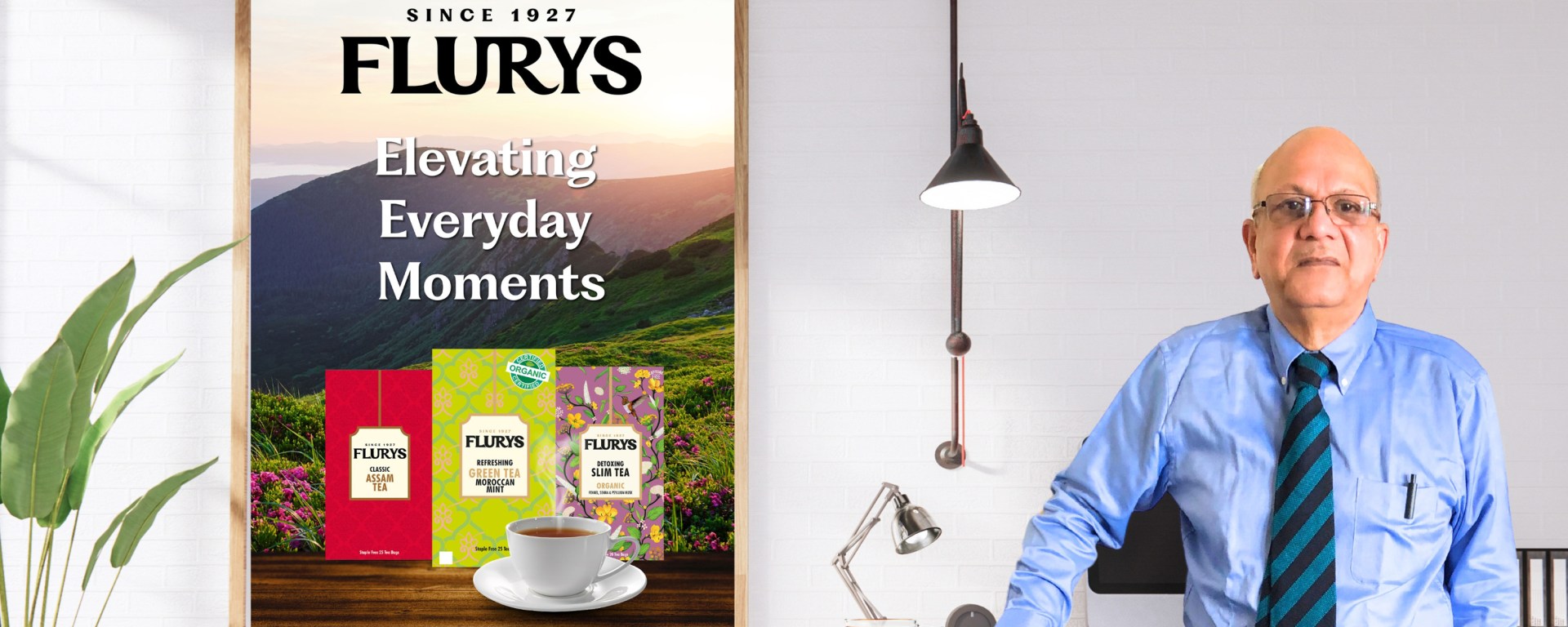
By Mr. Subrata Mukerji.
After decades in the tea industry, what has been the most rewarding part of your career as the former business head?
Looking back on my time with Typhoo, I’m filled with pride. What began as an idea has grown into a brand loved by tea enthusiasts everywhere. As former business head, I’ve seen first-hand how excitement, challenges, and joy have shaped our path.
Starting Typhoo was a chance to break the mould and create something special. We set out to blend tradition with innovation, pushing boundaries and refining flavors to deliver a tea experience that resonates globally.
No journey is without its hurdles. From sourcing the finest ingredients to navigating a competitive market, we faced plenty of challenges. But each one taught us valuable lessons and kept us focused on delivering quality.
The true reward has been the connection with our customers. Hearing their positive feedback and knowing Typhoo is part of their daily rituals makes it all worthwhile. Their loyalty drives us to keep evolving.
Building Typhoo has been an incredibly rewarding experience. I’m excited to see where this journey goes next. The best is yet to come.
Looking back, how has the tea industry evolved over the years, and what major changes have you witnessed during your leadership?
The tea industry is undergoing a significant transformation. Traditionally, legacy plantation businesses dominated the market, but today, the focus is shifting towards packaged and branded tea. This shift reflects a broader trend seen across FMCG companies — many are moving away from commodity sales and embracing the power of branded products.
This change is driven by evolving consumer preferences. Today’s consumers are looking for more than just tea leaves; they want an experience, a brand they can trust, and a product that fits their lifestyle. Packaging, quality, and innovation now play a major role in how tea is perceived and enjoyed.
For FMCG companies, the move from commodity-based products to branded offerings isn’t just a trend — it’s a necessary step to stay relevant and competitive in an ever-changing market. As the industry continues to evolve, those who can combine tradition with modern branding and innovation will lead the way forward.
At the heart of this change is the realization that in a crowded marketplace, it’s the story behind the brand and the value it provides that truly resonates with consumers. It’s an exciting time for the tea industry, and the future is all about creating meaningful connections with our customers.
Your brand has gone through a significant transformation, evolving from a renowned tea brand to a broader beverage company. What motivated this shift, and how did you approach the rebranding process?
Beverage habits have changed dramatically in recent years. What was once a traditional tea market has expanded into a diverse world of options — speciality teas, herbal infusions, coffee, fruit drinks, and more. The evolving generation is no longer tied to a single choice, but seeks variety and experiences in every sip.
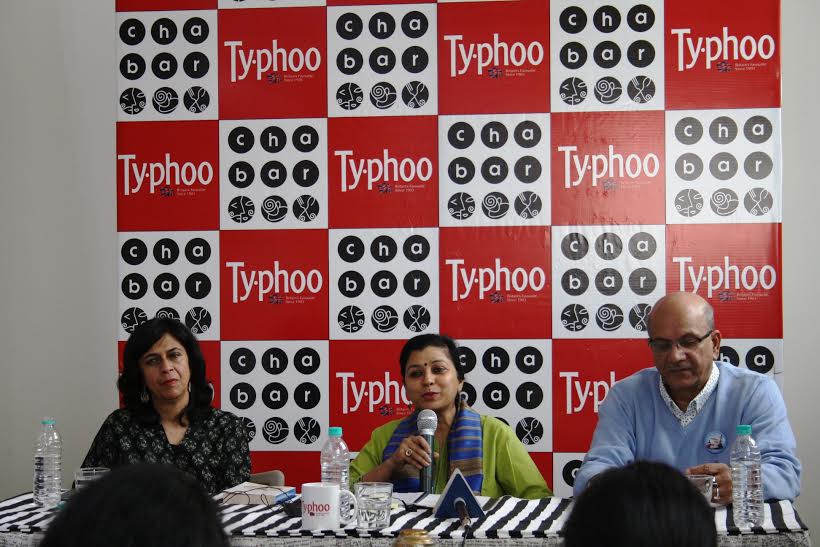
As part of this evolution, we’ve made the decision to exit the UK brand Typhoo license and transition to a new brand — Flurys. This change reflects our commitment to aligning with modern consumer preferences while maintaining the heritage and quality that Typhoo is known for.
When it came to rebranding, we knew one thing: the design. The iconic design elements of Typhoo were the most memorable and beloved part of the brand. So, we kept these visual cues intact, ensuring minimal disruption to consumer recognition. By simply changing the name to Flurys, we were able to evolve the brand while maintaining a sense of familiarity and trust with our loyal customers.
The decision to introduce coffee into your brand’s portfolio is a bold one. What influenced your decision to diversify into coffee, and how do you see it complementing your existing product line-up?
As I’ve closely observed beverage habits among Gen Z across the globe, one trend stands out — the rapid shift from traditional tea to coffee, especially in key markets like the UK and China, where tea has long been the beverage of choice. This shift has been both steady and swift, with coffee consumption on the rise, fueled by the growing culture of cafes and coffee hangouts.
The rise of coffee is not just a passing trend; it’s becoming a lifestyle. As cafes continue to thrive and coffee culture deepens, we’re seeing a fundamental change in how people enjoy their beverages.
At Apeejay, we recognize these evolving habits and are positioning ourselves as a full-service branded beverage company to meet this demand. Our portfolio will expand beyond traditional offerings to include iced teas, health drinks like kombucha, and other innovative options. We’re excited about the future and our ability to cater to a broader range of consumer preferences as they continue to evolve.
How do you maintain the authenticity and heritage of your tea brand while expanding into new products like coffee? Is there a balance between staying true to the roots and innovating?
When it comes to building a brand that lasts, I believe there are two key pillars that cannot be overlooked: “proof of product” and “credibility of existence.”
“Proof of product” is simple — it’s about delivering on the promises we make to our customers. If the product performs as expected, or even better, it creates trust. Quality and reliability are at the heart of consumer loyalty, and they can’t be faked. No matter how strong the marketing, a product that doesn’t live up to its potential won’t retain customers.
Then there’s “credibility of existence.” It’s not enough to just have a great product; consumers need to know who you are, what you stand for, and whether you’re consistent in delivering value. Being transparent, reliable, and authentic builds the kind of trust that lasts.
In the end, both of these elements are essential for sustaining long-term brand success. They ensure that your marketing isn’t just noise, but something that builds a genuine relationship with consumers.
Tea has long been a staple in Indian culture, and coffee is growing in popularity. How do you see the future of both beverages in India, and do you believe the country’s drinking habits will shift dramatically in the coming years?
India’s traditional tea-drinking culture is undergoing a significant transformation. Recent trends show that nearly 60% of the new-age generation, spanning from 17 to 60 years, is increasingly gravitating towards coffee as a preferred alternative. This shift reflects broader changes in consumer preferences, driven by changing lifestyles and evolving tastes.
Historically, South India has been a stronghold of coffee culture, but now, regions across North, West, and East India are quickly adopting coffee as their beverage of choice. This trend highlights a broader, national shift towards coffee, challenging the longstanding dominance of tea in the Indian market.
As this change continues to unfold, it presents both challenges and opportunities for brands. The evolving beverage habits signal the need for businesses to adapt to consumer preferences and innovate in response to this growing demand for coffee.

How did you ensure that employees and stakeholders were aligned with the new brand vision during such a significant change? Were there any particular strategies or initiatives that helped with this transition?
As part of our strategic growth, we are undertaking a comprehensive brand vision awareness exercise with all our stakeholders. Our goal is to communicate Flurys’ vision and strategy as we work towards becoming a leading player in the beverage industry.
Flurys is designed to meet the diverse needs of today’s consumers across all consumption points — whether it’s at home, in cafés, hotels, or offices. By focusing on quality, innovation, and convenience, Flurys is positioned to cater to every moment and setting where consumers enjoy their beverages.
This initiative is an important step in ensuring that our stakeholders are aligned with our mission and fully understand the broader impact and potential of the Flurys brand. Together, we are setting the stage for Flurys to become a significant name in the beverage industry.
In your opinion, what is the future of the Indian beverage market as a whole? Are there any trends you’re particularly excited about?
India is a country known for its rich diversity — from ethnicity and traditions to religions and beliefs, each region and community adds to the country’s uniqueness. In recent years, the younger generation has increasingly embraced global cultures and lifestyles, contributing to the evolving social fabric of India.
Social media and interconnectedness have played a pivotal role in this transformation, enabling consumers to stay informed like never before. With access to a wealth of information at their fingertips, individuals can explore new trends and developments, making more educated choices about the products and services they adopt.
This trend of trial and adoption of innovative products, coupled with rapid urbanization, is setting the stage for India to become one of the largest global economies. As consumers continue to explore, experiment, and embrace new offerings, the country is poised for substantial growth, both economically and socially. The future of India looks promising, with its evolving consumer base driving significant change in various sectors.
Do you have a favourite personal memory from your time leading the company, whether it’s an unexpected challenge or a breakthrough moment?
Reflecting on my career, two key memories stand out, both of which I cherish deeply.
The first is the creation of the Apeejay FMCG business. Coming from a group with a century-long history in the commodity sector, transitioning to FMCG was both a challenge and an opportunity. Building a successful FMCG business from the ground up — driving robust growth and establishing a strong brand presence despite being a newcomer in this space — was incredibly rewarding. It was a journey of learning, innovation, and perseverance, and I’m proud of the brand footprint we managed to establish.
The second significant memory is the impact of the COVID-19 pandemic in 2020. Like many businesses, we faced immense challenges during this period. However, the strategies we adopted to sustain the business and maintain consumer loyalty were critical. It was a time of transformation, where adapting quickly, understanding new consumer needs, and building stronger relationships with our customers became paramount. The experience reinforced the importance of resilience and agility in business.
Both of these milestones have shaped my journey, and I am grateful for the lessons learned along the way. They not only reflect the growth of the business but also the enduring importance of innovation and consumer connection in challenging times.
Looking back at your tenure as Business head, what would you say was your proudest achievement? How did you shape the company’s strategy during your leadership?
One of the proudest achievements in my career has been the creation of a committed team of professionals who remain loyal, dynamic, and competitive. It is particularly rewarding to see that many members of this team have continued to serve the company for over 15 years. This long-term commitment speaks volumes about the strength of our organizational culture, the opportunities for growth we provide, and the relationships we have fostered within the company.
Equally important has been our emphasis on developing a leadership attitude at every level of the hierarchy. We have cultivated a culture where innovation is encouraged and leadership is not confined to senior roles alone. By adopting a democratic approach, we empower all team members to take initiative, contribute ideas, and drive change. This approach not only enhances decision-making but also ensures that leadership is inclusive, adaptive, and responsive to evolving business needs.
Through these efforts, we have built a team that is not only committed to the organization’s success but also continuously strives to innovate and remain competitive in a rapidly changing business environment.
As you step down as Business head, how do you envision the future of the company under new leadership? What advice would you offer to your successor?
As I look towards the future, I envision a company that embodies strong leadership, innovation, and agility. A company that not only thrives on strong leadership qualities but also fosters a culture that is quick to adapt to changes in the business landscape. The ability to innovate continuously and pivot with changing market dynamics will be essential for staying ahead of the competition and ensuring sustained growth.
To my successor, I offer two key pieces of advice:
Fiercely protect consumer interests and anticipate changes before they emerge. Consumers are at the heart of any successful business. It is essential to protect their interests and remain vigilant in understanding their evolving needs. Stay ahead of the curve by identifying shifts in consumer behavior and market trends before they fully emerge, so you can proactively respond with the right strategies.
Maintain a clear focus on improving margins with sustained revenue growth: While growth is important, profitability is equally critical. Strive to continuously improve margins while focusing on long-term, sustainable revenue growth. A balanced approach to cost control and revenue expansion will be key to building a resilient business model.
By focusing on these principles, the company can continue to thrive, grow, and adapt in a rapidly changing business world.
As a veteran of the tea industry, what’s one change or development in the sector that has surprised you the most over your career?
Operating a commodity business is vastly different from running an FMCG business. In a commodity business, the focus is on cost efficiency and volume, with products typically being standardized and price-sensitive. Success relies on managing production and supply chains effectively.
In contrast, FMCG businesses prioritize brand differentiation, consumer loyalty, and innovation. These businesses often deal with short product life cycles, frequent purchases, and intense competition, making marketing and customer engagement crucial to success.
In short, while commodity businesses focus on scale and efficiency, FMCG companies focus on brand strength and consumer connection.
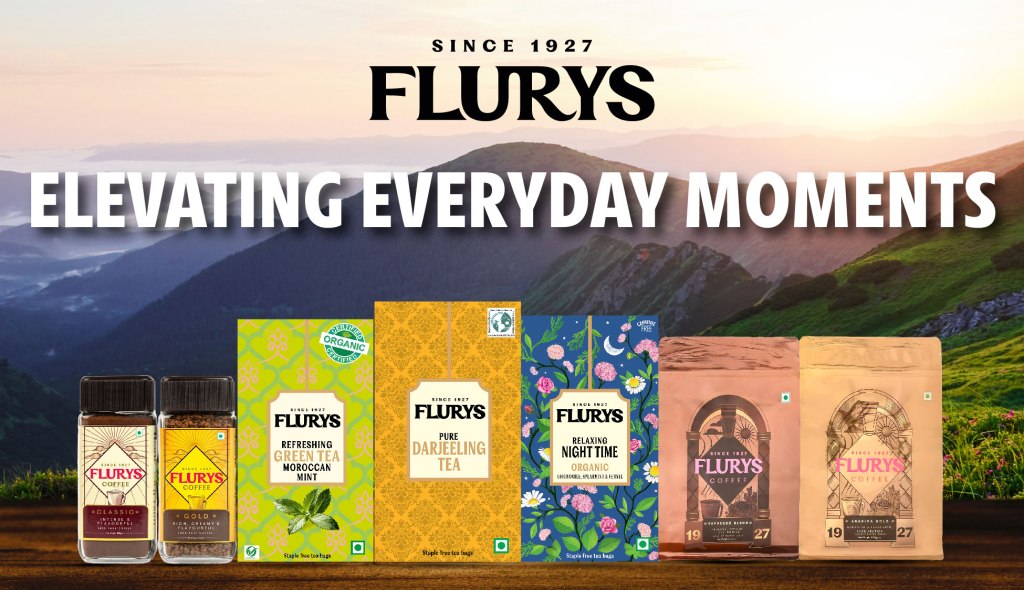
Subrata Mukerji is former Business head of Flurys Beverages(Formerly Typhoo India)
Discover more from APEEJAY BLOGS
Subscribe to get the latest posts sent to your email.
 APEEJAY BLOGS